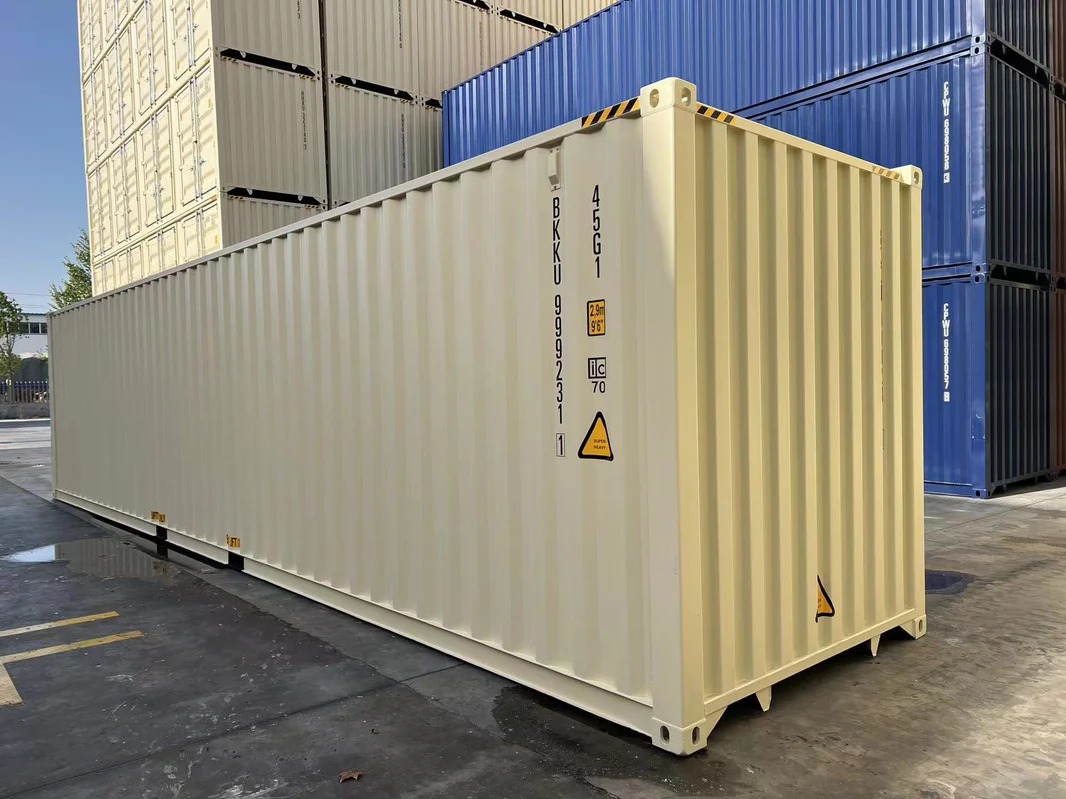
20 Feet Container 101 This Is The Ultimate Guide For Beginners
Understanding the 20 Feet Shipping Container: A Comprehensive Guide
Shipping containers have actually reinvented global trade, functioning as flexible storage and transportation services. Among the standard sizes, the 20-foot container stands apart due to its practicality and performance. This post will offer a comprehensive take a look at the requirements, uses, advantages, and FAQs surrounding the 20 feet shipping container.
Specs of a 20 Feet Container
Before diving into the various applications and advantages of the 20-foot container, it's important to comprehend its requirements. Below is a table that lays out the crucial dimensions and capabilities of a standard 20-foot container.
Requirements
Information
External Length
20 ft (6.058 m)
External Width
8 ft (2.438 m)
External Height
8.5 ft (2.591 m)
Internal Length
19.4 ft (5.898 m)
Internal Width
7.7 ft (2.352 m)
Internal Height
7.9 ft (2.385 m)
Maximum Gross Weight
24,000 lbs (10,886 kg)
Tare Weight
4,800 lbs (2,177 kg)
Payload Capacity
19,200 pounds (8,690 kg)
Applications of the 20 Feet Container
The flexibility of the 20-foot shipping container makes it ideal for numerous applications across various sectors. Here are some of the most typical usages:
Transporting Goods: Primarily created for shipping, the 20-foot container is perfect for transferring a wide array of items from one area to another, either domestically or worldwide.
Storage Solutions: Due to its robust construction, the 20-foot container is typically utilized for storage purposes. It can house anything from excess stock to personal possessions during relocation.
Modular Housing: Innovative architects and builders have transformed shipping containers into modular homes and short-term real estate, offering sustainable options to traditional construction.
Event Spaces: Custom modifications permit containers to be transformed into pop-up shops, kiosks, or even cafes and bars suitable for occasions and celebrations.
Website Offices: Many building sites use 20-foot containers as portable workplace areas, providing a useful option for handling operations on-site.
Advantages of Using a 20 Feet Container
Utilizing a 20-foot shipping container provides numerous advantages, which can make it an ideal choice for numerous business and personal requirements.
Cost-Effectiveness: The 20-foot container is normally more budget-friendly to lease or buy compared to larger models, making it a cost-efficient option for lots of users.
Easy Handling: Its size makes it much easier to carry and deal with, enabling more flexibility in regards to positioning and movement.
Durability: Constructed from steel, these containers are designed to weather severe conditions, offering safe and secure storage for numerous products.
Security: The durable style provides outstanding security versus theft and vandalism, providing users peace of mind about their stored contents.
Eco-Friendly Design: Converting shipping containers into housing or retail areas promotes recycling and reduces the environmental effect connected with standard structure materials.
FAQs About 20 Feet Containers
1. Just how much can a 20-foot container hold?
A standard 20-foot container can hold roughly 1,172 cubic feet (33.2 cubic meters) of cargo, with a payload capacity of about 19,200 lbs (8,690 kg).
2. What is the difference between a basic and a high-cube 20-foot container?
A standard 20-foot container has a height of 8.5 feet, while a high-cube container is a little taller, at 9.5 feet. This extra height offers extra storage space, making the high-cube option appropriate for taller items.
3. Can you ship a 20-foot container by air?
Shipping containers are developed mostly for sea transportation. While they can be loaded onto aircraft, this practice is uncommon and usually reserved for customized service due to greater expenses.
4. How can I modify a 20-foot container?
There are numerous ways to modify a 20-foot container, consisting of installing windows, doors, insulation, electrical systems, and pipes for residential or commercial usage.
5. Are there used 20-foot containers available for sale?
Yes, numerous business sell used 20-foot containers at lower rates compared to new ones. Purchasers should look for wear and tear and ensure that the container is structurally sound before purchase.
The 20-foot shipping container is more than simply a box; it is a flexible tool in logistics, building and construction, and storage that has actually adapted to satisfy the needs of various sectors. With 20 Container Size -efficient pricing, toughness, and numerous applications, it continues to be a popular option for organizations and people alike. Whether one requires to carry items, store products, or create ingenious areas, the 20-foot container functions as an important resource. With a clear understanding of its specifications and benefits, users can make informed choices to harness the full capacity of this shipping staple.